







Officially established in 1757, the county of Loudoun ('Loud-un') was first defined by nature: the banks of the Potomac River and the spine of the Blue Ridge Mountains. Thirty-five years prior, the Treaty of Albany (1722) relocated the Five Nations of Iroquois to the west of the Blue Ridge and opened the fertile region to colonial settlement.
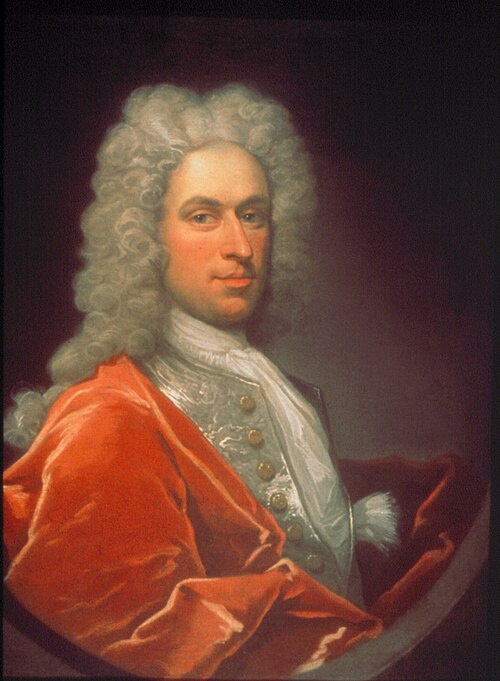
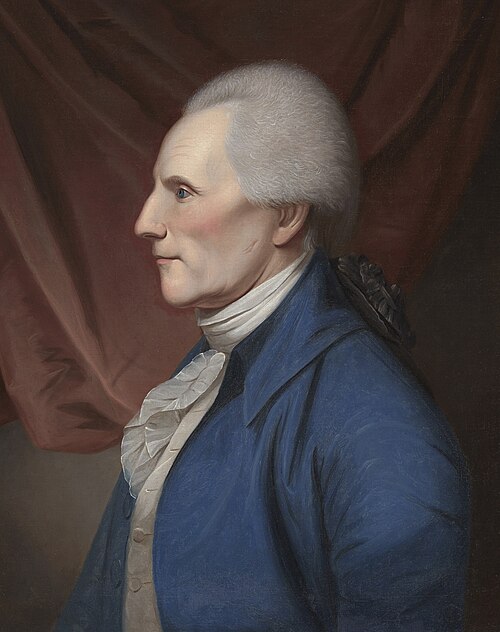
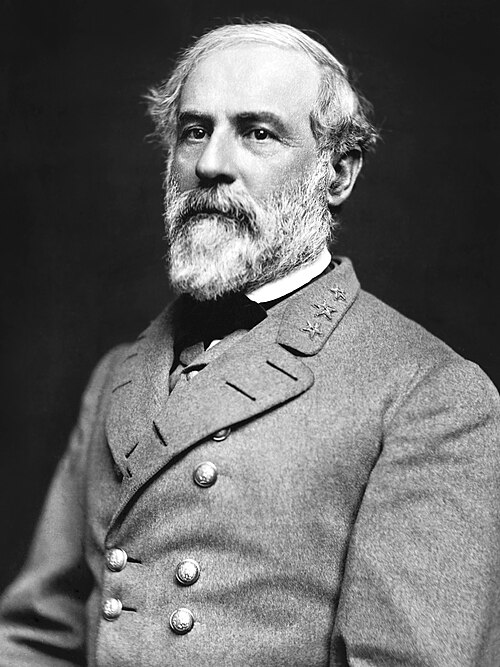
In 1758, the first town of Leesburg was named after the prominent Lee family, a dynasty of tobacco plantation owners. Thomas Lee leveraged his royal government role to accumulate tens of thousands of acres, including this pivotal swath. His descendants include two Founding Fathers and Robert E. Lee, the commander of the Confederate Army.
Tobacco exhausted the soil. Its recovery came in 1790 from a Quaker farmer in Leesburg, John Binns, who pioneered the land-rejuvenation methods that became known as the 'Loudoun System,' and the county reinvented around wheat, corn, and hand-churned butter. By 1860, months before the Civil War, Loudoun reported no tobacco production in the state that led the nation (124M lbs).
Located 25 miles from Washington D.C. and bordering the strategic Shenandoah Valley, Loudoun was the site of several Civil War skirmishes and frequent pillaging. The county was split between slave-owning plantations to the east and Quaker/German immigrants in the west, who often provided safe passage to people fleeing North.
HoverTap battles for more info.
Leesburg's market roads permanently divided the county in half. To the west, the rural, traditional breadbasket; now with over fifty wineries. To the east, Loudoun's suburbs are among the country's most diverse and earn the highest median household income in the U.S. ($181,800).
In 1962, the Washington Dulles International Airport opened, the first in the U.S. designed to handle jet-powered airplanes. Its construction created a significant corridor of highways and power infrastructure, laying the foundation for fiber optic cables and the dawn of the Internet.
Within a generation, Loudoun County became the economic powerhouse of the state, then a pivotal communication hub for the country. By 2013, the industry had dubbed it 'Data Center Alley,' the single largest concentration of data centers in the world.